
Who’s Running Your Wedding?
(and why it matters more than you think)
Article summary:
Moments like this don’t just happen
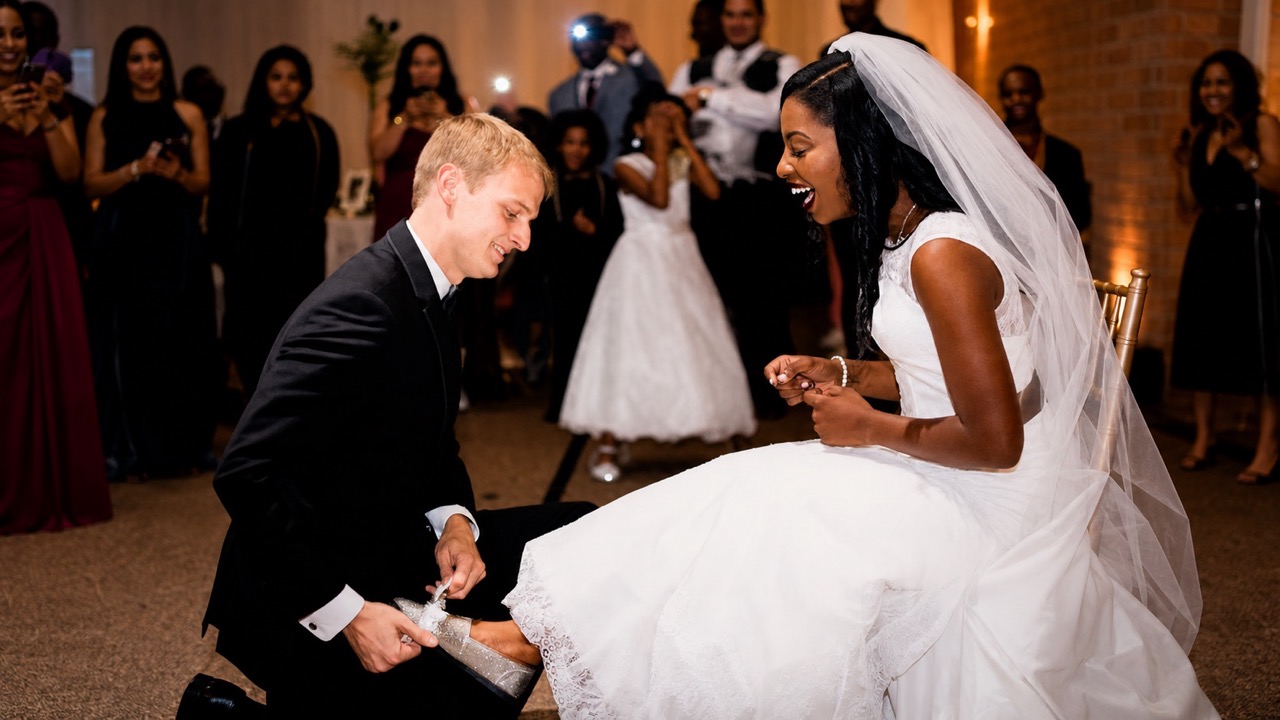
The bouquet toss, the cake cutting, the first dance, the packed dance floor where everyone suddenly seems focused on the same thing at the same time — those moments usually feel natural when you’re attending the wedding.
But behind the scenes, there is often a surprising amount of coordination happening to make those moments feel effortless.
Most guests never notice it.
And honestly, that’s kind of the point.
What I Learned at My Own Wedding
At my own wedding, I was the DJ.
Not because I wanted to be, but because it’s what we had available at the time. We had a small radio set up with the music ready to go, and right before the ceremony started, it didn’t work.
Everyone was looking at me while I tried to figure it out.
Eventually, I got it going and had to hurry back to the altar like nothing happened, but I remember how stressful that moment felt. Instead of being fully present, I was troubleshooting.
That experience stuck with me.
It made me realize how important it is for someone to own the flow of the event so the couple can stay focused on what actually matters.
Guests Feel More Than Couples Realize
One thing I’ve learned after being part of so many weddings is that guests feel more than couples realize.
They notice when the room feels engaged.
They notice when things feel awkward.
They notice when momentum slows down.
Not because they’re judging the wedding, but because people naturally respond to the energy of a room.
A smooth wedding experience usually comes from good preparation, good communication, and someone paying attention to what’s happening in real time.
The Wedding That Changed My Perspective
One wedding in particular really reinforced this for me.
The photographer took the couple out for sunset photos during the reception. It was supposed to be quick, but they ended up being gone for over an hour.
At first, guests were patient. People were talking and waiting.
Then dinner was ready.
The room started losing energy. Guests began checking phones, wandering around, and eventually a few people left entirely.
The couple was the center of the event, and suddenly they weren’t there.
There was no wedding planner involved that day, and the couple themselves were the point of contact for decisions.
That was the moment I realized someone needed to step in and actively guide the event forward.
I changed the music, called dinner, had someone prepare plates for the couple, and started engaging the room again while we waited for them to return.
When they came back, I explained what I had done and why.
Thankfully, they were appreciative and understanding, but that experience changed the way I approach weddings.
Now, during planning meetings, I explain to couples that someone needs to own the flow of the event. It does not always have to be the DJ. It could be a wedding planner, coordinator, or another trusted person who understands the timeline and is prepared to actively manage it.
But it should be someone intentional.
The Parts Guests Should Never Notice
A lot of couples don’t realize how many small things need to happen before major moments can happen smoothly.
Before a bouquet toss starts:
Before cake cutting:
Before parent dances:
The goal is not perfection.
Weddings are human, emotional, and unpredictable. Things will happen.
The goal is making the experience feel smooth enough that people stay focused on the moments instead of the mechanics behind them.
Someone Needs to Own the Flow
One thing I always encourage couples to think carefully about is assigning operational responsibility to close family members or friends.
I’ve seen situations where a well-meaning aunt, sibling, or family friend ends up trying to manage the timeline while also trying to enjoy the wedding as a guest.
That’s a difficult position to put someone in.
They may be emotionally invested in the event, but they are also being asked to coordinate vendors, answer questions, solve problems, and make decisions in real time.
Most couples won’t notice the pressure building in those moments until afterward.
That’s why I personally ask couples to nominate a point of contact I can coordinate with throughout the event. It creates a buffer that allows the couple to stay present instead of constantly being pulled into decisions.
The Parts Guests Should Never Notice
Nicole and I have both attended weddings where something just felt slightly off.
Not terrible. Not catastrophic. Just disconnected.
The music may not have matched the moment. Transitions may have taken too long. Guests may not have known what was happening next.
Most people would never be able to point to one specific problem.
They would just describe the wedding as feeling awkward, slow, or difficult to stay engaged with.
On the other hand, when a wedding flows well, guests usually do not notice the coordination happening underneath it all.
They just remember having a great time.
The Best Weddings Feel Effortless
The best weddings are rarely the ones where everything went perfectly.
They are usually the weddings where people stayed present in the moments that mattered most.
And that rarely happens by accident.